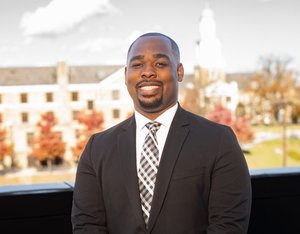
A New Era of Leadership and Partnership for Baltimore City Public Schools
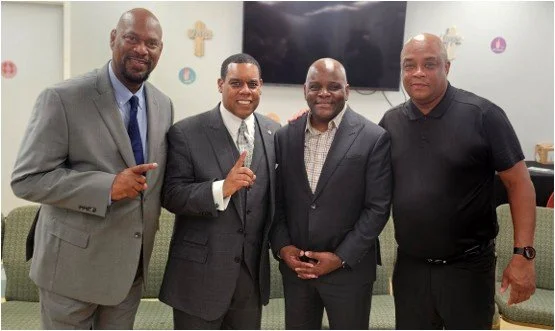
He is off and running, taking Baltimore by storm. Dr. Jermaine Dawson, the newly appointed CEO of Baltimore City Public Schools (BCPS), recently took time from his demanding schedule to meet with clergy, educators, and community leaders and to listen directly to those who are deeply invested in the future of Baltimore’s young people. On July 24, 2026, Dr. Dawson accepted an invitation to meet with a distinguished gathering of clergy and community leaders hosted by Empowerment Temple. The gathering brought together Christian and Muslim clergy, educators, community advocates, and other stakeholders committed to strengthening Baltimore’s public schools. Dr. Dawson seemed to feel right at home speaking with clergy as he is a clergyman from the south himself. The meeting represented an important component of Dr. Dawson’s listening tour. He has committed himself to visiting every school within the BCPS portfolio of approximately 155 schools serving nearly 76,000 students. This commitment demonstrates his understanding that effective educational leadership requires more than reviewing reports and data from a central office. It requires being present in schools, listening to educators and families, observing classroom environments, and understanding firsthand the opportunities and challenges confronting students and teachers each day.
A Leadership Philosophy Focused on Service
Dr. Dawson came prepared to listen to the concerns, recommendations, and experiences of those in attendance. At the same time, he shared a compelling vision for the future of Baltimore City Public Schools, one that resonated strongly with the gathering.
He emphasized that he intends to lead by example and expects members of his central administration to do the same. His vision calls for central-office administrators to spend more time inside schools, supporting principals, teachers, students, and families rather than operating exclusively from administrative offices.
During the discussion, Dr. Dawson embraced an important philosophy presented by Elijah Etheridge: “Students don’t fail in schools; schools fail to educate students.” This perspective represents a significant paradigm shift in how we think about educational accountability. Rather than placing the burden of failure primarily on students, families, or communities, it challenges school systems to examine their own practices, expectations, resources, instructional strategies, and commitment to ensuring that every student has an opportunity to succeed.
Dr. Dawson also acknowledged the unacceptable academic performance levels in reading and mathematics throughout the district. He made clear that improving literacy and mathematics achievement must be among the system’s highest priorities. He expressed a willingness to support innovative and evidence-based initiatives that can produce measurable improvements in student achievement.
A Call to the Community: School Starts August 24th
One of Dr. Dawson’s most immediate requests to the clergy and community leaders was simple but critically important: help spread the word that school opens on August 24, 2026.
The 2026–2027 school year begins on August 24, 2026, rather than after Labor Day, as Baltimore families may have been accustomed to in previous years. Dr. Dawson challenged community leaders to use their influence to ensure that parents, students, and families understand the importance of being prepared for the start of school and maintaining consistent attendance throughout the year.
His appeal to Baltimore’s faith and community leadership was clear: we must work in partnership with the school system to encourage our young people to return to school, attend consistently, and take their education seriously. Dr. Dawson presented his three top priorities: Increased Attendance, Higher Graduation Rates, and Graduates Placements in College and or Employment with livable wadges. These are his top priorities for the year. Clergy members have a particularly powerful platform from which to deliver this message. Churches, mosques, community organizations, and neighborhood institutions can reinforce the importance of education, encourage parents to remain engaged, and help young people understand that their educational success is a shared responsibility.
Fathers Must Be at the Table
Perhaps one of the most important elements of Dr. Dawson’s message was his call for greater participation by fathers in the lives and education of Baltimore’s young people. Fathers have an essential role to play in the success of children and in the strength of our schools. Their involvement should extend far beyond providing financial support. Fathers can serve as advocates, mentors, role models, volunteers, coaches, tutors, and partners with teachers and school administrators.
A father walking his child into school, attending a parent-teacher conference, participating in a school activity, volunteering at an event, encouraging his child to complete an assignment, or simply asking, “How was school today?” sends a powerful message: Your education matters, and I am invested in your future.
For too long, conversations about family engagement in public education have often focused primarily on mothers and female caregivers. While their contributions are invaluable, Baltimore must also intentionally create opportunities for fathers and father figures to become visible and active partners in our schools.
Fathers belong in the classroom, at parent meetings, on athletic fields, at performances, during school celebrations, and at the decision-making table.
Their presence can help strengthen the relationship between families and schools while reinforcing positive expectations for young people. Fathers can also provide a critical source of encouragement, accountability, guidance, and stability as students navigate the academic, social, and emotional challenges of adolescence.
This does not mean that every child must have a biological father in the home. Schools and communities should welcome grandfathers, uncles, stepfathers, mentors, guardians, and other positive male role models who are willing to invest in the lives of young people. The objective should be to build a broad network of caring adults committed to helping students succeed.
A Shared Responsibility
Dr. Dawson’s message ultimately extends beyond the school system. Improving Baltimore’s public schools cannot be accomplished by the CEO, principals, and teachers alone. It will require a genuine partnership among educators, parents, students, clergy, community organizations, businesses, elected officials, and residents.
The July 24th gathering provided an important opportunity for Dr. Dawson to listen, share his vision, and challenge Baltimore’s leadership to become active partners in the transformation of public education. His willingness to visit every BCPS school, engage directly with stakeholders, address academic achievement, encourage central-office leadership to serve schools, and call for greater parental and father involvement provides an encouraging foundation for the work ahead.
Baltimore’s children deserve nothing less than our collective commitment. The responsibility belongs to all of us to show up, speak up, support our schools, encourage our children, and hold ourselves accountable for creating educational environments where every young person has the opportunity to learn, grow, and succeed.
The school year has begun. Our children are in our schools. Now, it is time for all of us, especially our fathers, to show up and be present for them.